
bartenders guide to cocktails
A Bartender’s Guide to Cocktails
Welcome to the exciting world of mixology! This comprehensive guide unveils the art of crafting exceptional drinks,
from timeless classics to innovative modern creations, perfect for any occasion.
Discover the secrets behind balancing flavors, mastering techniques, and understanding the nuances of spirits and ingredients.
Elevate your home bar and impress your guests with expertly crafted cocktails.
Explore the rich history of cocktail culture, learn about essential bar tools, and delve into the diverse world of spirits.
Become a confident and knowledgeable bartender, ready to shake, stir, and pour your way to cocktail success!
The history of cocktails is a fascinating journey, evolving from simple concoctions to the complex and creative drinks we enjoy today. Initially, a “cocktail” was a spirited blend – a stimulating beverage, often a mix of spirits, sugar, water, and bitters.
Early 19th-century America saw the rise of the “sling,” a precursor to the modern cocktail, enhanced with herbal bitters. This marked a shift towards more elaborate flavor profiles. The golden age of cocktails, in the late 19th and early 20th centuries, brought forth iconic recipes like the Old Fashioned and the Martini.
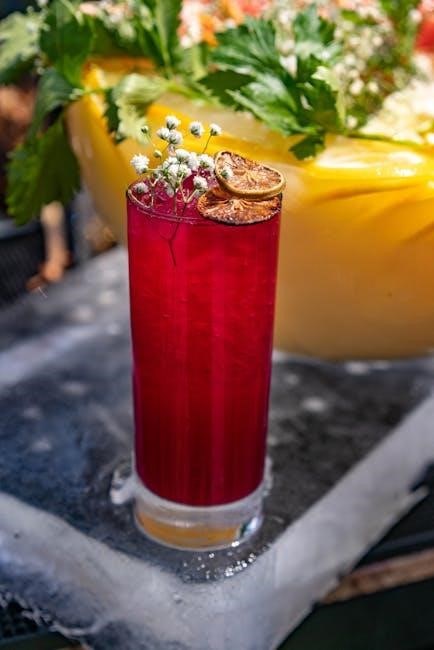
Post-Prohibition, cocktail culture experienced a revival, with bartenders becoming celebrated figures. Today, a renewed interest in quality ingredients and classic techniques fuels a vibrant cocktail scene globally. From Kyiv’s bustling bars to home entertaining, the art of the cocktail continues to thrive, offering endless possibilities for experimentation and enjoyment.
Essential Bar Tools
A well-equipped bar is crucial for crafting quality cocktails. Start with a shaker – Boston or Cobbler style – for chilling and mixing. A jigger ensures precise measurements, vital for balanced drinks. A muddler gently extracts flavors from fruits and herbs. Don’t forget a strainer (Hawthorne, Julep, or fine mesh) to remove ice and solids.
A bar spoon with a twisted handle is perfect for stirring. A citrus juicer provides fresh juice, essential for vibrant cocktails. An ice pick or mallet helps create ice for serving. A peeler and knife are needed for garnishes.
Investing in quality tools elevates your bartending experience; Consider a speed rack for efficient bottle organization and a mixing glass for stirred cocktails. Proper care – cleaning and storage – extends the life of your tools, ensuring years of cocktail-making enjoyment.
Understanding Spirits: The Base of Your Cocktails
Spirits form the foundation of most cocktails, dictating their character and strength. Familiarize yourself with the major categories: vodka, gin, rum, whiskey, tequila, and mezcal. Each possesses a unique flavor profile influenced by its base ingredient and production method.
Vodka, often neutral, provides a clean canvas. Gin boasts botanical complexity. Rum ranges from light and fruity to dark and molasses-rich. Whiskey offers a spectrum of flavors – from smooth bourbon to smoky scotch. Tequila & Mezcal deliver agave’s distinctive character.
Understanding these differences is key to building balanced cocktails. Experiment with various spirits to discover your preferences and how they interact with other ingredients. Quality spirits significantly impact the final drink, so choose wisely!
Vodka: Versatility and Neutrality
Vodka’s defining characteristic is its remarkable neutrality. Traditionally crafted from grains or potatoes, modern vodka production utilizes various sources, impacting subtle flavor nuances. This inherent cleanliness makes vodka exceptionally versatile, seamlessly blending with a wide array of mixers and flavors.
Its lack of strong character allows other ingredients to shine, making it a staple in countless classic and contemporary cocktails. From the simplicity of a Vodka Martini to the vibrancy of a Cosmopolitan, vodka adapts effortlessly.
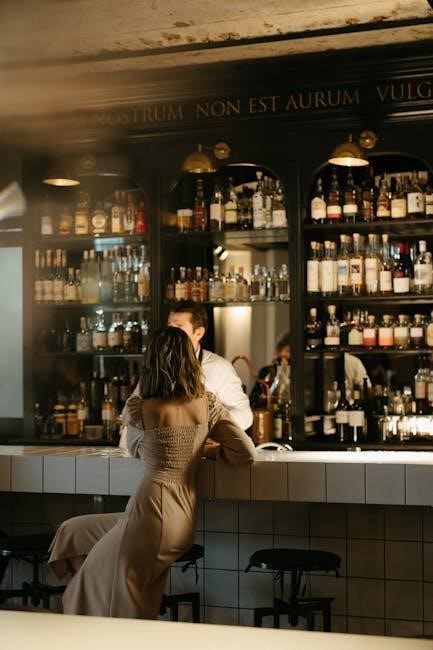
However, “neutrality” isn’t absolute. Premium vodkas exhibit distinct textures and subtle flavors. Explore different brands to appreciate the spectrum within this seemingly simple spirit.
Gin: Botanical Complexity
Gin distinguishes itself through its prominent botanical flavors, primarily derived from juniper berries, though coriander, citrus peels, and numerous other botanicals contribute to its complex profile. This botanical richness sets gin apart, offering a far more nuanced experience than neutral spirits like vodka.
Different styles of gin – London Dry, Plymouth, Old Tom, and New Western – showcase varying botanical balances and production methods. London Dry gins are known for their crisp, dry finish, while Old Tom gins offer a touch of sweetness.
Gin’s versatility shines in classic cocktails like the Martini and Gin & Tonic, where its botanical character complements the other ingredients. Experimenting with different gins unlocks a world of flavor possibilities.
Rum: From Light to Dark
Rum’s diverse spectrum, ranging from light to dark, stems from its production process and aging. Light rums, often used in Mojitos and Daiquiris, are typically filtered to remove color and develop a cleaner profile. They offer a subtle sweetness and are ideal for refreshing cocktails.
Dark rums, aged longer in oak barrels, boast richer flavors of molasses, caramel, and spice. These are excellent choices for bolder drinks like Dark ‘n’ Stormys or Mai Tais, adding depth and complexity.
Spiced rums incorporate added spices, creating a warm and aromatic character. Consider exploring aged, unaged, and flavored rums to unlock the full potential of this versatile spirit in your cocktail creations.
Whiskey: A Spectrum of Flavors
Whiskey presents a vast landscape of flavors, categorized by grain, production method, and aging; Bourbon, crafted primarily from corn, delivers sweet vanilla and caramel notes, shining in Old Fashioneds and Manhattans. Rye whiskey, spicier and drier, adds a robust kick to classic cocktails.
Scotch whisky, renowned for its smoky and complex character, ranges from light Highland varieties to intensely peated Islay expressions. Irish whiskey, typically smoother and fruitier, offers a versatile base for various drinks.
Experimenting with different whiskey types unlocks unique cocktail possibilities. Consider the spirit’s profile when selecting ingredients to achieve harmonious balance and depth in your creations.
Tequila & Mezcal: Agave’s Spirit
Tequila and Mezcal, born from the agave plant, offer distinct yet complementary profiles. Tequila, typically made from Blue Weber agave, ranges from bright Blanco (silver) to aged Añejo, boasting caramel and oak notes. It’s the soul of the Margarita and Paloma, offering vibrant refreshment.
Mezcal, often smoky and earthy, arises from various agave species and traditional production methods. Its complex character elevates cocktails with a unique depth. Explore its nuances in a smoky Margarita or a sophisticated Old Fashioned variation.
Understanding the agave’s influence is key. Quality tequila and mezcal showcase the plant’s terroir, delivering a truly authentic and flavorful cocktail experience.
Key Cocktail Ingredients Beyond Spirits
Beyond the base spirit, a cocktail’s character blossoms with supporting ingredients. Liqueurs, like Cointreau or Maraschino, introduce sweetness and complex flavors, adding depth to classics. Bitters, the cocktail’s seasoning, provide aromatic complexity and balance, a dash transforming a drink.
Syrups, essential for sweetness and texture, range from simple sugar to flavored creations like orgeat or grenadine. Freshly squeezed juices – citrus, pineapple, cranberry – are non-negotiable, delivering vibrant acidity and brightness. Avoid bottled alternatives for superior taste.
Mastering these elements allows for creative experimentation and personalized cocktail crafting. Quality ingredients are paramount, elevating every sip.
Liqueurs: Adding Sweetness and Flavor
Liqueurs are sweetened, flavored spirits, acting as crucial building blocks in countless cocktails. They introduce a spectrum of tastes – fruity, herbal, nutty, or creamy – enriching the drink’s profile. Consider Cointreau, an orange liqueur vital for Margaritas, or Maraschino, lending a cherry almond note to Aviation cocktails.
Different liqueurs offer varying sweetness levels and flavor intensities. Amaretto provides almond essence, while coffee liqueurs like Kahlúa add a rich, roasted depth. Chartreuse, a herbal liqueur, brings complex botanical notes. Experimenting with diverse liqueurs unlocks a world of flavor combinations.
Quality matters; choose reputable brands for balanced sweetness and authentic flavors.
Bitters: The Cocktail’s Seasoning
Bitters are concentrated flavorings, adding complexity and balance to cocktails – often described as the “salt and pepper” of mixology. They aren’t about bitterness, but about depth and aromatic intrigue. A few dashes can transform a simple drink into something extraordinary.
Angostura bitters, with its warm spice profile, is a bar staple, enhancing Old Fashioneds and countless others. Orange bitters provide citrusy notes, complementing gin and tequila drinks. Peychaud’s bitters, with floral and anise flavors, are essential for Sazeracs.
Experiment with different bitters to discover unique flavor combinations. High-quality bitters elevate cocktails, adding layers of nuance and sophistication. Don’t underestimate their power!
Syrups: Sweetening and Balancing
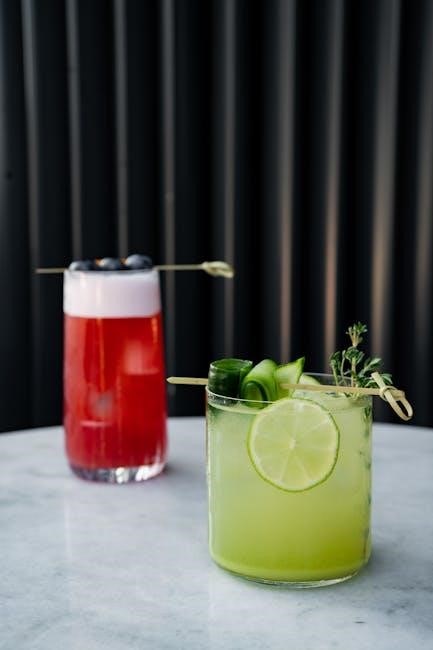
Syrups are crucial for balancing the acidity of citrus and the strength of spirits in cocktails. Simple syrup, equal parts sugar and water, is the foundation, but the possibilities extend far beyond. Homemade syrups allow for creative flavor infusions, elevating your drinks.
Rich simple syrup (2:1 sugar to water) provides a luxurious texture. Experiment with flavored syrups like grenadine (pomegranate), orgeat (almond), or ginger syrup. These add unique dimensions to classic and modern cocktails alike.
Proper syrup consistency is key – ensure sugar is fully dissolved for a smooth texture. Mastering syrup creation unlocks a world of flavor, allowing you to tailor sweetness and complexity to your preference.
Juices: Freshness is Key
The quality of juice dramatically impacts a cocktail’s final flavor. Always prioritize freshly squeezed juices over bottled alternatives. Citrus fruits – lemon, lime, orange, and grapefruit – are staples, providing essential acidity and brightness. Invest in a quality citrus juicer for efficient extraction.
Beyond citrus, explore other fresh juices like pineapple, cranberry, or even watermelon. These add unique sweetness and complexity. When using fruit purees, strain them for a smoother consistency. Remember that juice oxidizes quickly, so prepare it shortly before mixing your drink.
Freshness isn’t just about taste; it’s about aroma and vibrancy. A cocktail with fresh juice will always be more appealing and flavorful than one made with processed alternatives.
Classic Cocktail Recipes
Mastering classic cocktails is fundamental to any bartender’s skillset. These recipes represent the building blocks of mixology, showcasing balanced flavors and time-tested techniques. Begin with the Old Fashioned – a simple yet elegant blend of whiskey, sugar, bitters, and a citrus twist.
Next, explore the Negroni, an equal-parts cocktail featuring gin, Campari, and sweet vermouth, offering a delightful balance of bitter and sweet. The Margarita, a tequila-based staple, provides a refreshing citrus kick. For a tropical escape, the Pina Colada blends rum, pineapple juice, and coconut cream.
Finally, experience the Brazilian refreshment of the Caipirinha, utilizing cachaça, sugar, and lime. These recipes are gateways to understanding flavor profiles and cocktail construction.
Old Fashioned: A Timeless Classic
The Old Fashioned is arguably the most iconic cocktail, tracing its roots back to the early 19th century. Originally a simple drink – a spirit, sugar, water, and bitters – it evolved into the sophisticated concoction we know today. Traditionally built in the glass, it begins with a sugar cube muddled with bitters and a splash of water.
Whiskey, typically bourbon or rye, is then added, along with ice, and stirred until well-chilled and diluted. A citrus peel, expressed to release its oils, provides aromatic complexity. The key to a perfect Old Fashioned lies in balance – not too sweet, not too boozy, and with a pronounced bitterness.
Experiment with different whiskeys and bitters to discover your preferred variation of this enduring classic.
Negroni: Equal Parts Perfection
The Negroni is celebrated for its simplicity and bold flavor profile – a testament to the beauty of equal parts. This Italian classic, born in Florence, combines gin, Campari, and sweet vermouth in a harmonious blend of bitter, sweet, and herbal notes. Its vibrant red hue is instantly recognizable, and its preparation is remarkably straightforward.
Simply combine one ounce each of gin, Campari, and sweet vermouth in a mixing glass filled with ice. Stir until well-chilled, then strain into a rocks glass over a large ice cube. Garnish with an orange peel, expressing the oils over the drink before dropping it in.
Bartenders and cocktail historians debate the perfect blend, but the equal-parts ratio remains the defining characteristic of this timeless aperitivo.
Margarita: A Tequila Staple
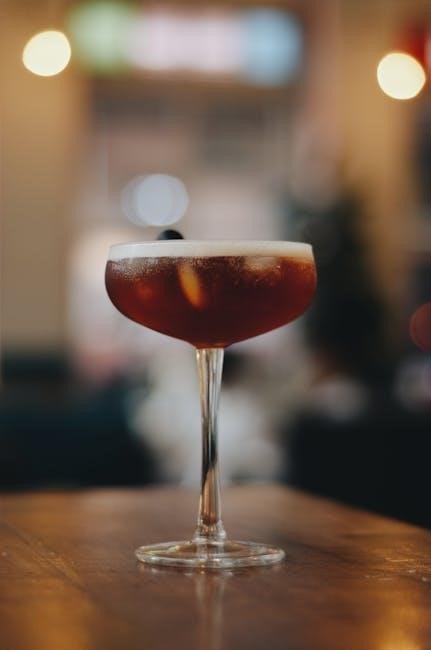
The Margarita reigns supreme as one of the world’s most beloved tequila-based cocktails. Originating in Mexico, its precise origins are debated, with numerous stories claiming its invention. However, its enduring popularity is undeniable, offering a refreshing balance of tart, sweet, and agave flavors.
The classic Margarita recipe calls for tequila, orange liqueur (typically Cointreau or Triple Sec), and fresh lime juice. Combine 2 ounces of tequila, 1 ounce of orange liqueur, and 1 ounce of lime juice in a shaker with ice. Shake vigorously until well-chilled, then strain into a salt-rimmed margarita glass.
Variations abound, from fruity twists to spicy iterations, but the core essence of tequila, lime, and orange liqueur remains central to this iconic drink.
Pina Colada: Tropical Escape
Transport yourself to a sun-drenched paradise with the Piña Colada, a quintessential tropical cocktail. Born in Puerto Rico in the 1950s, this creamy, sweet, and utterly refreshing drink quickly gained international acclaim, becoming synonymous with vacation vibes and relaxation.
The traditional Piña Colada blends rum, pineapple juice, and cream of coconut. Combine 2 ounces of white rum, 4 ounces of pineapple juice, and 2 ounces of cream of coconut in a blender with a cup of ice. Blend until smooth and creamy, then pour into a hurricane glass.
Garnish generously with a pineapple wedge and a cherry for the ultimate tropical presentation. Variations include adding a splash of orange juice or using different types of rum.
Caipirinha: Brazilian Refreshment
Experience the vibrant flavors of Brazil with the Caipirinha, the nation’s official cocktail. This simple yet incredibly refreshing drink is a staple in Brazilian bars and a favorite among cocktail enthusiasts worldwide. Its origins trace back to the early 20th century, evolving from a medicinal drink to a beloved national treasure.
The classic Caipirinha requires just a few ingredients: cachaça (a Brazilian spirit made from sugarcane juice), sugar, and lime. Muddle half a lime, cut into wedges, with 2 teaspoons of sugar in a sturdy glass. Add 2 ounces of cachaça and fill with ice.
Stir well and garnish with a lime wedge. The key to a perfect Caipirinha is balancing the sweetness and tartness – adjust the sugar to your preference!
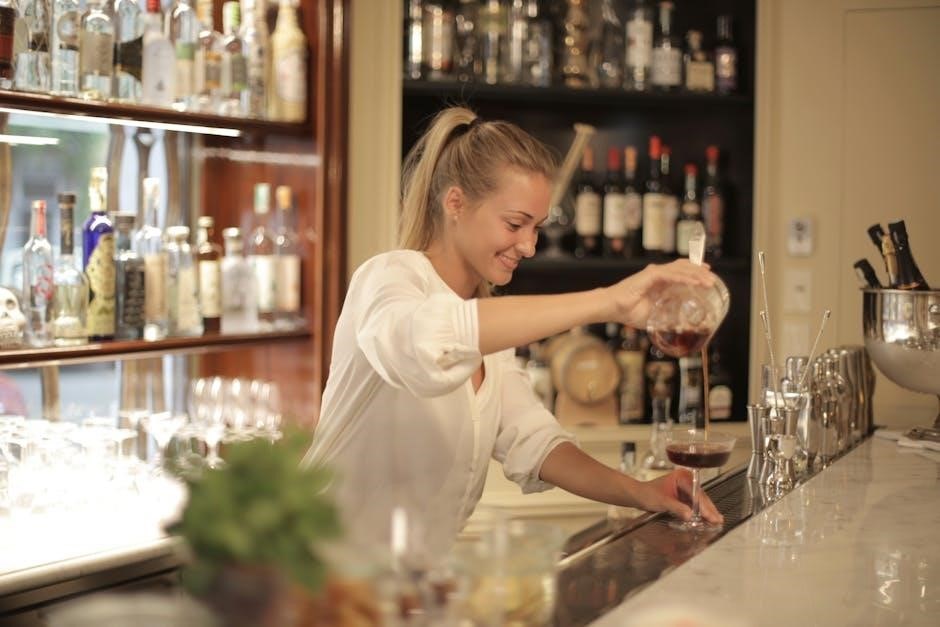
Modern Cocktail Trends
The cocktail world is constantly evolving, with innovative trends shaping the landscape of mixology. Today’s bartenders are pushing boundaries, experimenting with new flavors, and prioritizing mindful drinking experiences. A significant shift is towards Low-ABV Cocktails, offering sophisticated flavors with reduced alcohol content, appealing to health-conscious consumers.
Mocktails, the art of alcohol-free drinks, have also gained immense popularity, showcasing creativity and complex flavor profiles without the need for spirits. Bartenders are utilizing premium ingredients and advanced techniques to create truly satisfying non-alcoholic options.
Infused Spirits are another exciting trend, allowing for unique and personalized flavor combinations. From fruit and herb infusions to spice and tea blends, the possibilities are endless, adding a bespoke touch to classic and contemporary cocktails.
Low-ABV Cocktails: Sophistication with Less Alcohol
The rise of Low-ABV cocktails reflects a growing desire for balanced and nuanced drinking experiences. These aren’t simply weaker versions of classic drinks; they’re carefully constructed beverages that prioritize flavor complexity over alcoholic punch. Bartenders achieve this by utilizing fortified wines like vermouth and sherry, alongside lighter spirits and sparkling components.
Bitters and shrubs play a crucial role, adding depth and aromatic intrigue without significantly increasing the alcohol content. Dilution is key, with techniques like stirring and shaking carefully controlled to achieve the perfect balance. The goal is sophistication – a drink that’s enjoyable and flavorful, even with a lower alcohol percentage.
Low-ABV cocktails cater to those seeking mindful indulgence, offering a way to savor the art of mixology without overdoing it.
Mocktails: The Art of Alcohol-Free Drinks
Mocktails have evolved beyond simple juice mixes; they are now sophisticated, thoughtfully crafted beverages deserving of the same attention as their alcoholic counterparts. The best mocktails don’t just remove the alcohol; they replace its complexity with creative layering of flavors and textures.
Sophisticated syrups, homemade shrubs, and a wide array of fresh juices are essential. Sparkling water, kombucha, and non-alcoholic sparkling wines add effervescence and mouthfeel. Bartenders are employing techniques like fat-washing and smoking to introduce depth and intrigue, traditionally associated with spirits.
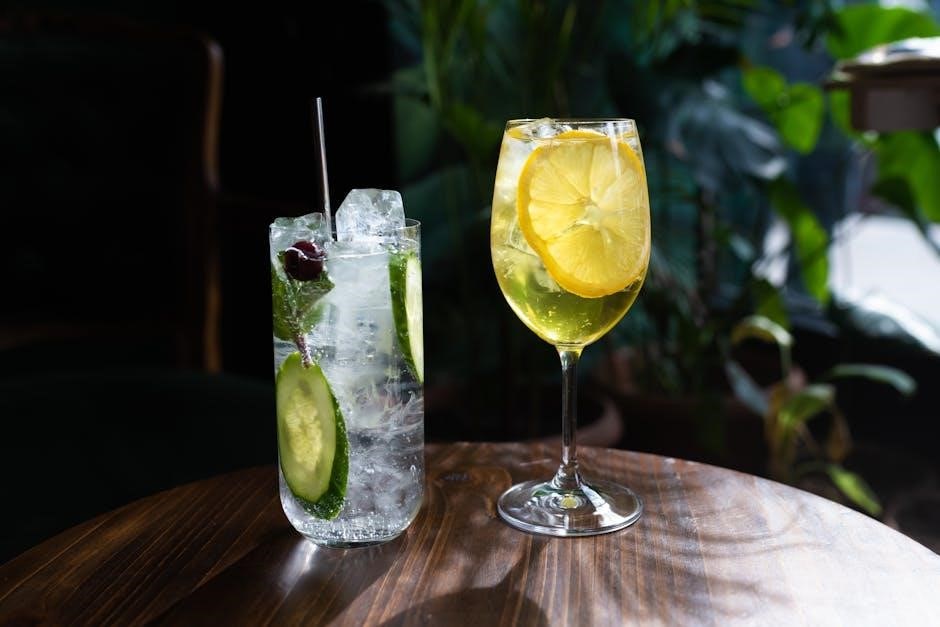
Garnishing is paramount, elevating the visual appeal and enhancing the aromatic experience. Mocktails offer inclusivity and demonstrate that exceptional drinks don’t require alcohol to be truly enjoyable.
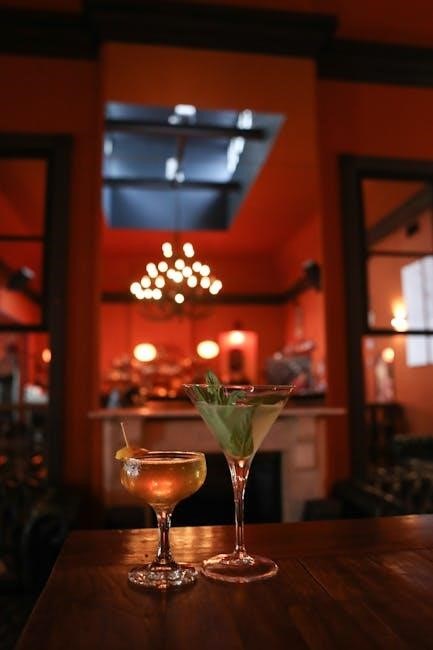
Infused Spirits: Creating Unique Flavors
Infusing spirits is a fantastic way to personalize cocktails and explore new flavor profiles. The process involves steeping fruits, herbs, spices, or even vegetables in a base spirit – vodka, gin, and rum are popular choices – for a period ranging from a few hours to several weeks.
Flavor combinations are limitless: consider strawberry-basil vodka, rosemary-grapefruit gin, or chili-pineapple rum. Proper technique is crucial; use high-quality ingredients and ensure they are fully submerged. Fat-washing, infusing with fats like bacon or sesame oil, adds richness and complexity.
Experimentation is key! Always taste-test throughout the infusion process to achieve the desired intensity. Infused spirits add a unique, homemade touch to classic cocktails, transforming familiar drinks into something truly special.
Garnishing and Presentation
Garnishing is the final flourish, elevating a cocktail from simply delicious to visually stunning. It’s not merely decorative; a well-chosen garnish complements the drink’s flavors and aroma, enhancing the overall experience.
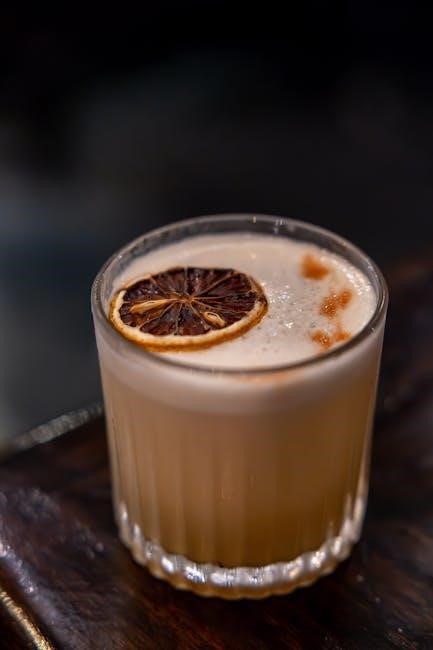
Classic garnishes include citrus twists, cherries, olives, and mint sprigs. However, creativity is encouraged! Consider dehydrated fruit, edible flowers, or even savory elements like bacon or spiced salts. Presentation matters: the glass should be clean, chilled, and appropriate for the cocktail.
Pay attention to detail: a perfectly placed garnish demonstrates care and skill. It’s the bartender’s signature, transforming a drink into a work of art. Remember, a beautiful cocktail is as enjoyable to the eye as it is to the palate.
Cocktail Glassware Guide
Selecting the correct glassware significantly impacts a cocktail’s enjoyment. Different shapes and sizes influence aroma, temperature, and the overall drinking experience. Coupe glasses, elegant and timeless, are ideal for stirred cocktails like Manhattans and Cosmopolitans.
Highball and Collins glasses suit tall, refreshing drinks with plenty of ice and mixers. Martini glasses, with their iconic V-shape, showcase clear, chilled cocktails. Rocks glasses (Old Fashioned glasses) are perfect for spirit-forward drinks served over ice.
Consider the drink’s character: a delicate floral cocktail deserves a refined glass, while a robust, tropical drink calls for something more casual. Proper glassware isn’t just about aesthetics; it’s about enhancing the cocktail’s inherent qualities.
Choosing the Right Glass for Each Drink
Matching glassware to the cocktail elevates the presentation and drinking experience. A Margarita thrives in a classic Margarita glass, enhancing its festive vibe. Pina Coladas demand a hurricane glass, showcasing their tropical colors. For a sophisticated Old Fashioned, a rocks glass allows appreciation of the spirit’s hue;
Champagne flutes preserve carbonation and highlight bubbles, while Nick & Nora glasses offer a modern twist for stirred cocktails. Moscow Mules traditionally require copper mugs, adding a cooling effect. Daiquiris benefit from coupe glasses, emphasizing their smooth texture.
Ultimately, selecting the appropriate glass isn’t merely about tradition; it’s about complementing the cocktail’s flavors and creating a visually appealing presentation.
Tips for Home Bartending
Fresh ingredients are paramount! Always use freshly squeezed juices for vibrant flavors; Invest in quality spirits – the base significantly impacts the final result. Pre-chill your glassware; it keeps drinks colder for longer. Measure accurately; consistency is key to replicating recipes.
Master basic techniques like shaking and stirring. Don’t over-dilute your cocktails with excessive ice. Taste as you go, adjusting sweetness or acidity to your preference. Prepare garnishes beforehand for a smooth workflow. Explore infusions to add unique flavors.
Most importantly, practice and have fun! Experiment with different combinations and discover your signature creations.
Related Posts

maplestory buccaneer guide
Dive into the ultimate MapleStory Buccaneer guide—tips, gear, skills, and secrets to dominate the seas and level up faster than ever. Start your adventure now!

esthetician exam study guide pdf
Nervous about the esthetician exam? Don’t be! Our comprehensive study guide & free PDF will help you pass with flying colors. Get prepared today!

puerto vallarta guide book
Dreaming of Puerto Vallarta? Your ultimate guide to beaches, nightlife, hidden gems & delicious eats is here! Download our PDF & plan your escape. ✨